Destination Wedding Photography in Europe: The Legal Guide
Planning a wedding in Europe is a dream for many couples, the light in Tuscany, the cliffs of the Amalfi Coast, the ancient streets of Rome. But behind every beautiful image is a layer of logistics and legal considerations that don’t always make it into the planning guides.
This guide breaks down everything you need to know about destination wedding photography in Europe, the freedoms, the limitations, and what to ask your vendors.
Table of Contents
Destination Wedding Photography in Europe: The Legal Guide
1. Freedom of Movement Within the EU
For anyone planning destination wedding photography in Europe, the EU’s freedom of movement for services is a significant advantage.One of the genuine advantages of getting married within the European Union is how smoothly vendors can move across borders. Photographers and videographers with a valid VAT registration can legally offer temporary services in any EU member state, no additional permits required for the work itself.
This means a photographer based in Rome can photograph your wedding in Valletta or Barcelona without any legal friction. For couples, this opens up a much wider pool of professionals who are both legally compliant and culturally fluent in the destination.

2. When the Rules Are Different: Non-EU Countries
Not all of Europe operates under the same framework. If your venue is in a country outside the EU, the rules change considerably:
- Switzerland may require advance notification and customs declarations for professional equipment.
- Norway and Iceland (EEA but not EU) can require equipment inspections at the border.
- The United Kingdom, following Brexit, now requires a work visa for any professional providing paid services, even on a single-day basis.
These aren’t minor inconveniences — they can determine whether your chosen vendor can legally work at your wedding at all. Before confirming a booking, always verify the current requirements for your specific country. The EU Single Market Services portal and EURES are reliable starting points.
3. Local Permits: The Detail Most Couples Overlook
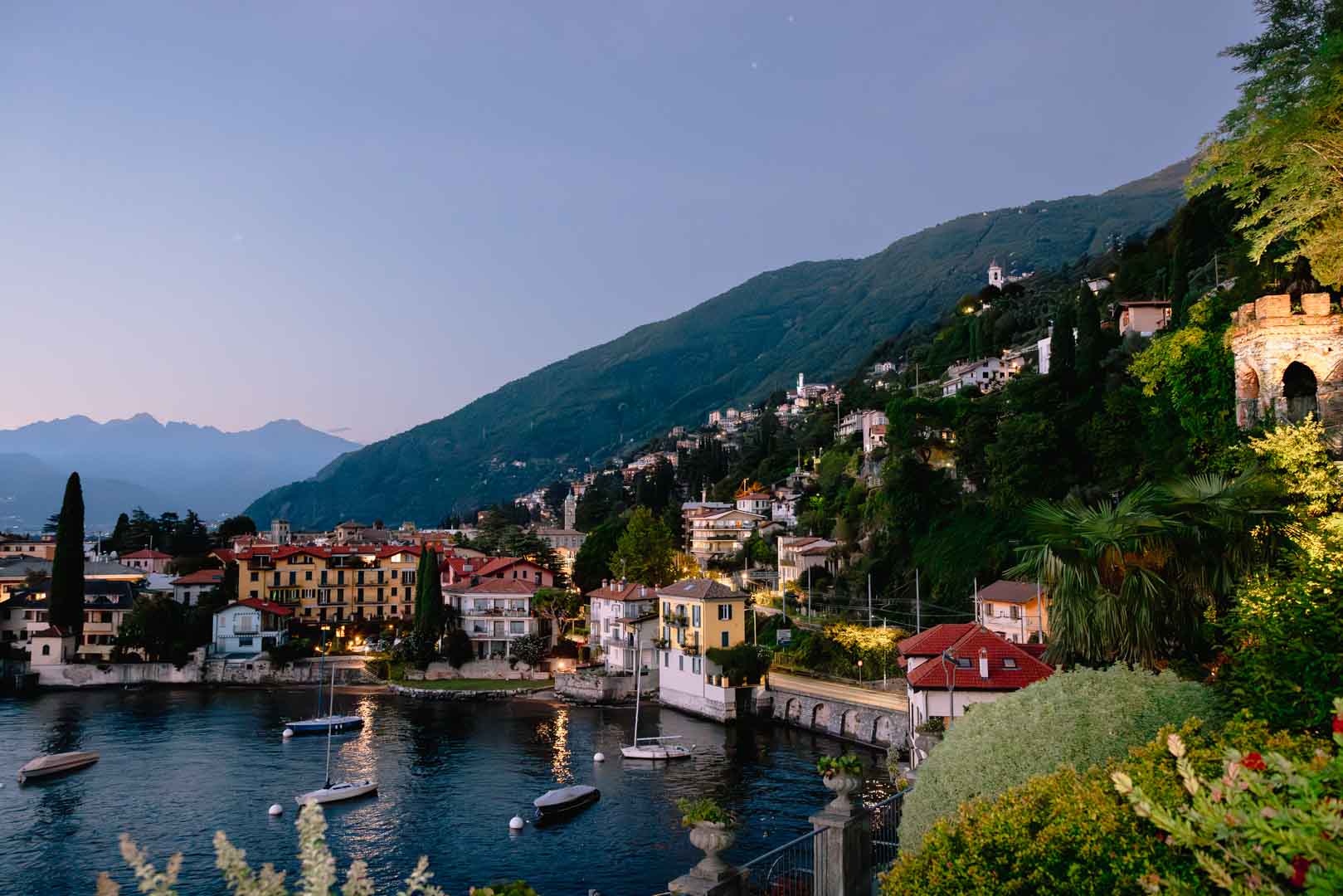
Even within the EU, “legally allowed to work here” and “allowed to photograph here” are two separate things. Many of the most sought-after wedding venues, historic villas, protected landscapes, UNESCO sites, require specific permits for professional photography and videography.
Drone footage, in particular, is heavily regulated across Europe. Aerial filming near populated areas, historic centers, or protected zones often requires prior authorization from local aviation authorities, regardless of whether the photographer is EU-based or not.
A professional who knows the destination will already have navigated this. One who doesn’t could arrive on your wedding day without the right paperwork, and no amount of talent fixes that.
4. Non-EU Photographers: A Serious Consideration
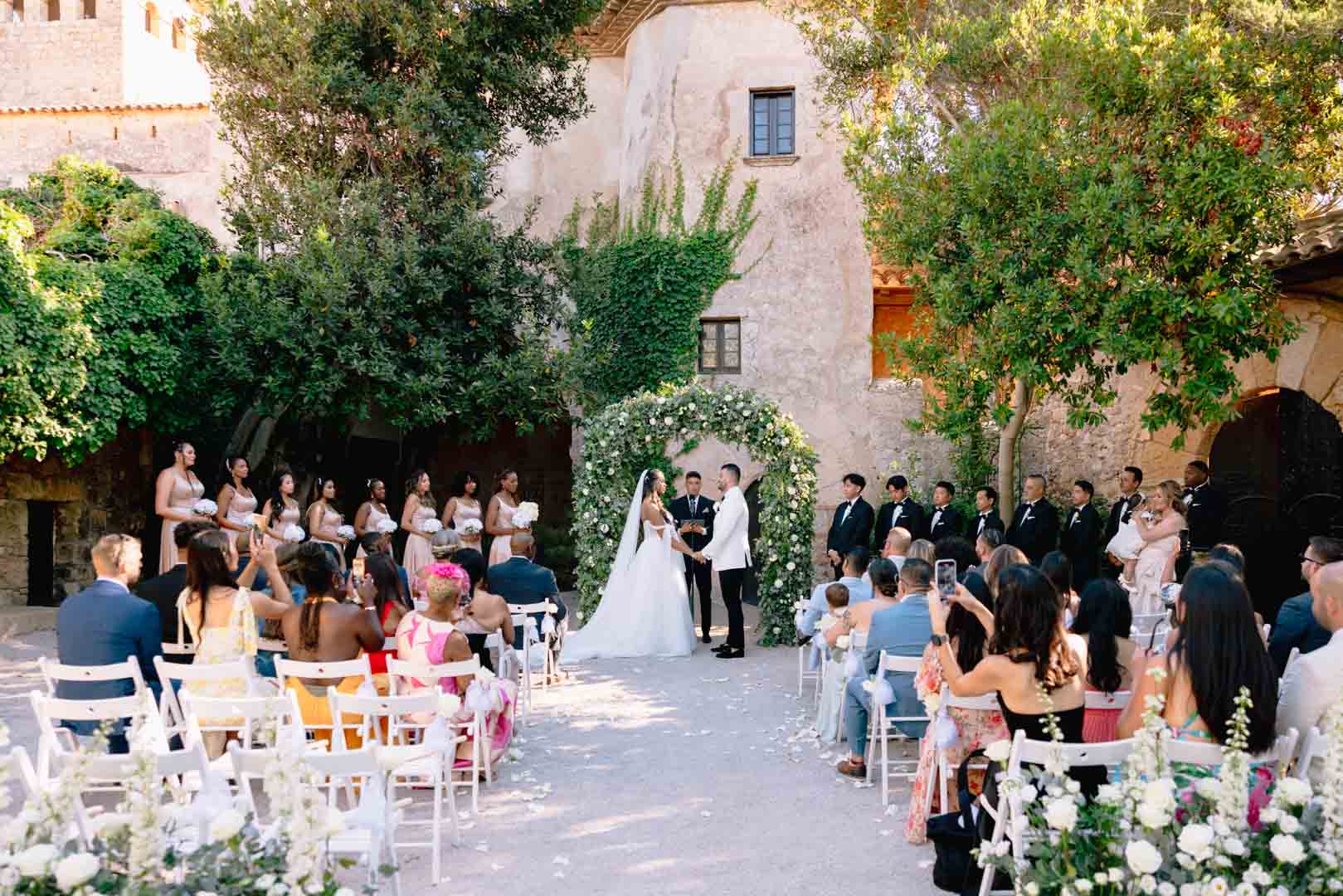
This is one of the most overlooked risks in destination wedding photography in Europe, and it catches couples off guard more often than you’d think. If you’re bringing a photographer from outside the EU, from the US, UK, Canada, Australia, you need to understand one important rule: working in an EU country on a tourist visa is not permitted.
Providing a paid professional service requires a work permit. In Italy, for example, a self-employed work permit (visto per lavoro autonomo) is required, and obtaining one takes time and documentation that many photographers may not have in order.
This is no longer a grey area. High-end venues, and increasingly regional authorities, are asking for proof of legal work authorization from international vendors. Without it, a photographer could be:
- Refused entry at the border
- Asked to leave the venue on the day
- Flagged in the Schengen Information System, affecting future EU travel
For couples investing significantly in a destination wedding, this is a risk that deserves serious attention.

5. Local vs. Your Own Photographer: An Honest Perspective
It’s completely understandable why couples want to bring someone they already trust. There’s an existing relationship, a shared visual language, and sometimes a perception of better value.
But choosing to marry in Italy, France, or Portugal is, in part, a cultural decision. The light falls differently here. The pace of a Sicilian wedding is different from a venue in Copenhagen. Local photographers don’t just know the logistics, they know how the day breathes.
Working with a local professional also means supporting the creative economy of the place you’ve chosen to celebrate in. That alignment between the destination and the people who bring it to life tends to produce something more coherent, and more honest, than the alternative.
That said, the most important thing is that whoever you choose is legally authorized, properly insured, and genuinely experienced in destination work. The best outcome is one where the images reflect the place, and nothing went wrong behind the scenes.
When it comes to destination wedding photography in Europe, local expertise isn’t just a bonus, it’s often what separates a good result from an exceptional one.
6. A Quick Checklist Before You Book
Before you start comparing quotes, it’s worth reading our breakdown of Wedding Photographer Italy Price: 7 Things You Need to Know Before Booking, it will help you ask better questions.
Before confirming your vendor for destination wedding photography in Europe, here are five questions worth asking:
- Are you VAT-registered (or equivalent) in your home country?
- Do you hold the necessary work authorization for the specific country of the wedding?
- Have you worked at (or are familiar with) this venue or region before?
- Do you handle permits for photography and drone footage, or is that the couple’s responsibility?
- Are you covered by professional liability insurance for this destination?
These aren’t bureaucratic hoops, they’re the difference between a wedding that goes smoothly and one that doesn’t.
Final Thought
Destination wedding photography in Europe sits at the intersection of artistry and legal responsibility, and when both are handled well, the experience is genuinely seamless. The good news is that when both are handled properly, it’s genuinely effortless. You don’t think about any of it. You just have the day, and the photographs to show for it.
The couples who have the best experience are usually the ones who asked the right questions early.
If you have questions about working with a local photographer for your European wedding, feel free to get in touch, we’re happy to help.